
What Is Call Tracking? How It Improves Marketing ROI for Small Businesses
You’re spending money on marketing—but do you know which campaigns are actually bringing in customers? That’s exactly why call tracking ROI is one of the highest-impact opportunities in local marketing.
Why Most Businesses Cannot Measure What Their Phone Is Worth
They rely on incomplete data
Google Analytics shows form submissions but misses the phone calls that actually close jobs — a blind spot for any business that closes deals over the phone.
They can’t connect marketing spend to revenue
Without call tracking, there’s no clear link between ads and closed customers.
They optimize for the wrong metrics
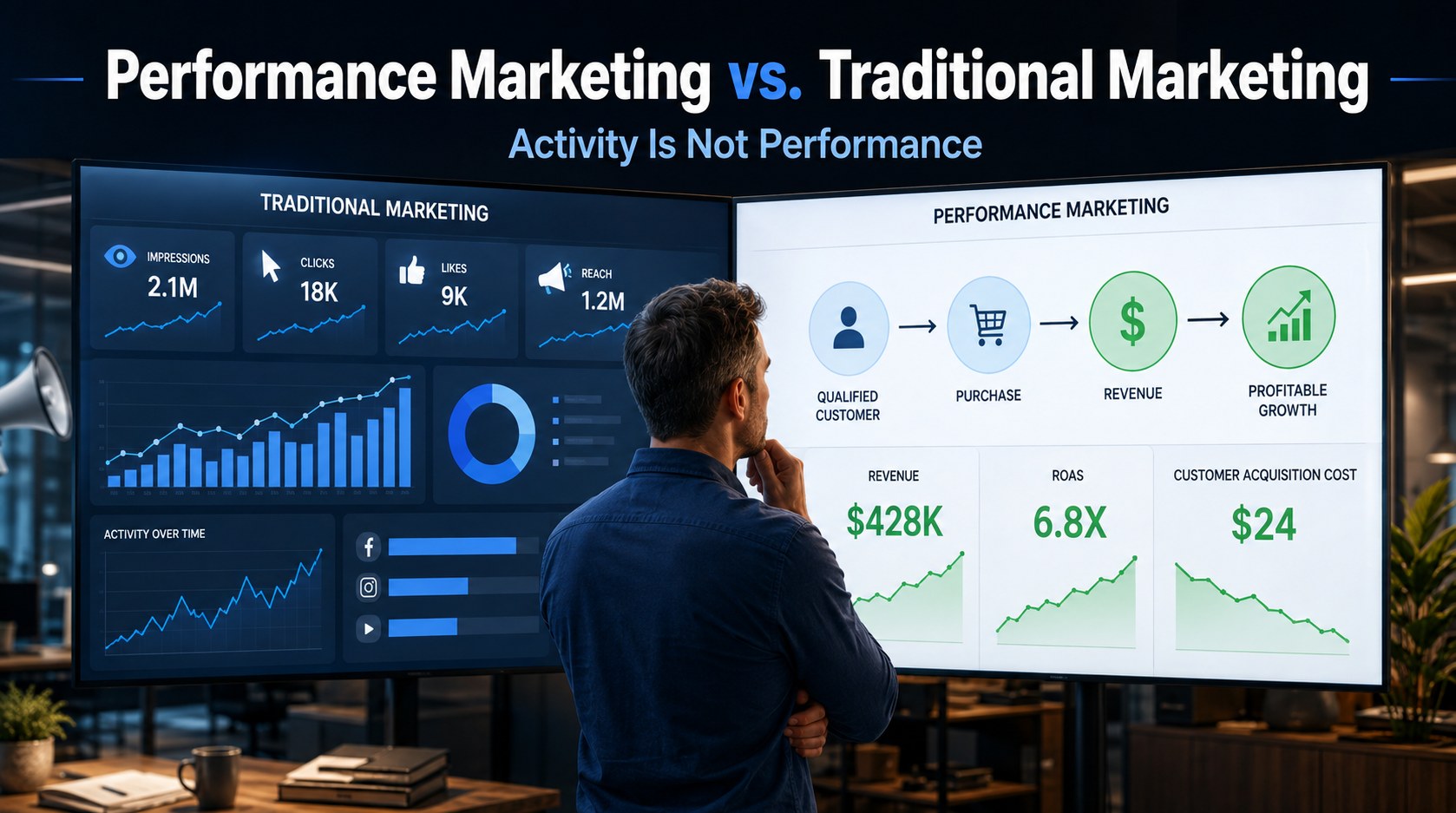
Cost per lead looks like a performance number, but it tells you nothing about what a signed customer cost, or your return on ad spend.
They waste money on underperforming campaigns
So spend keeps flowing to campaigns that look busy in the dashboard and quiet in the bank account.
If you can’t connect calls to revenue, you’re not measuring ROI—you’re guessing.
How Call Tracking Improves Marketing ROI for Businesses
A proper call tracking system does three things.
Reveal Which Campaigns Actually Drive Revenue
It shows exactly which ads, keywords, and campaigns are generating qualified phone calls—not just website visits.
Connect Calls to Real Customers
Advanced attribution links specific calls to actual jobs, giving you clear visibility into cost per acquisition and return on ad spend (ROAS).
Shows You Where to Scale—and Where to Cut
With accurate data, you can confidently eliminate underperforming campaigns and reinvest in the ones that actually drive revenue.
How Call Tracking Works
Call tracking assigns unique phone numbers to each campaign, ad group, or traffic source.
When a customer calls, the system records where they came from—down to the keyword or ad—so you can track phone calls from ads, connect marketing activity directly to revenue, and accurately measure ROI.
Common Mistakes That Hurt Marketing ROI
What Happens When You Track Calls and Optimize for Revenue
Businesses that implement call tracking can gain:
- Clear visibility into which channels actually drive revenue
- Higher overall ROI by eliminating wasted ad spend
- Better budget allocation toward high-performing campaigns
- More predictable and scalable growth
Here’s What That Looks Like in Practice
A business generating 60 leads per month discovered that only three campaigns were responsible for 85% of their closed revenue.
After implementing call tracking, they doubled down on those campaigns and cut the rest—resulting in a 40% increase in ROI while reducing total ad spend.
Not All Leads Are Equal
Not all leads contribute equally to revenue.
If you’re attracting low-quality leads, even perfect tracking won’t fix your results.
Learn the difference between high-intent and unqualified leads and how to improve lead quality.
You’re Making Decisions Without Seeing the Full Picture
Right now, phone calls—the leads most likely to turn into real customers—aren’t fully visible in your data.
So you’re making marketing decisions based on incomplete information.
The calls you cannot see are the ones setting your budget.
FAQ: Call Tracking and Marketing ROI
Recent Posts

Ready to See Which Marketing Produces Customers?
Request a complimentary Revenue System Performance Assessment.
We’ll:
- Walk through how you’re currently attracting leads
- Highlight common gaps that impact conversion
- Give you the next step that will improve results fastest
No pitch. No pressure. Just clarity.