
Roofing Leads: Why They Aren’t Becoming Signed Roof-Replacement Contracts
Most roofing campaigns chase lead volume, filling the calendar with unqualified inspections that rarely sign. At SmartXperiences, we take a different approach: we help roofing companies attract insurance-ready, high-intent homeowners who are ready to move forward. The result? Fewer wasted inspections, more signed roof-replacement contracts.
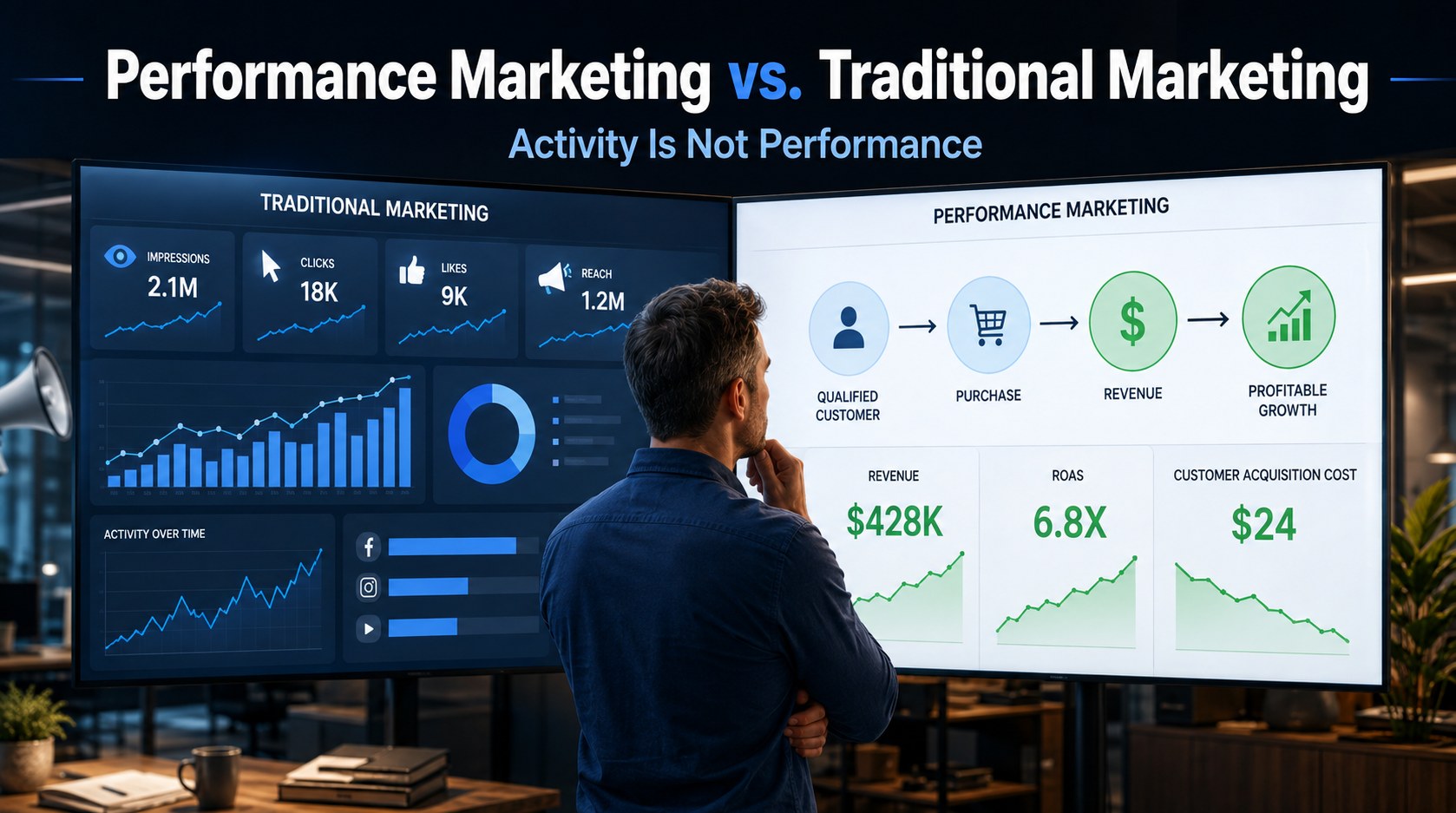
The real problem: roofing marketing is optimized for activity, not contracts
Most roofing marketing systems are built around surface-level metrics:
- Cost per lead
- Number of calls
- Inspection volume
- Form submissions
These numbers feel good in reports, but they don’t answer the only question that matters:
“Did this marketing produce profitable roof replacements?”
A roofing company can have:
- 200 leads per month
- A full inspection schedule
- A busy sales team
…and still struggle with inconsistent revenue.
Why?
Because not all leads are equal, and most marketing systems don’t separate:
- homeowners who are price-shopping
- homeowners who are insurance-ready
- homeowners who are actually ready to sign
The missing link: lead quality vs. lead quantity
The difference between a struggling roofing business and a scaling one is not how many leads it gets.
It is how many of those leads are:
- insurance-motivated
- damage-confirmed or highly probable
- financially capable of moving forward
- ready to schedule and sign within a short window
A roofing marketing system that ignores these distinctions will always produce:
“busy but unpredictable” revenue
Why full calendars can still mean weak revenue
One of the most misleading signals in roofing marketing is a full schedule.
A calendar filled with inspections can still produce:
- low close rates
- high cancellation rates
- price objections at the final stage
- inconsistent monthly revenue
This happens when marketing is optimized for appointments instead of outcomes.
A strong roofing marketing system does not ask:
“How many inspections did we book?”
It asks:
“How many of those inspections turned into signed roof-replacement contracts?”
Why more leads do not automatically mean more contracts
A common assumption in roofing marketing is:
“If we increase lead volume, revenue will increase.”
But in practice, roofing contractors often experience the opposite:
- Lead quality drops as volume increases
- Sales teams spend more time filtering unqualified homeowners
- Close rates decline
- Marketing costs rise without proportional revenue growth
This is why many contractors eventually search for:
- roofing marketing agency
- roofing SEO company
- roofing digital marketing
- roofing lead generation systems
They are not looking for more traffic.
They are looking for predictable contracts.
What high-performing roofing marketing actually focuses on
The most effective roofing marketing systems are built around three layers:
1. Intent filtering before the lead is generated
Not all traffic should be treated equally. High-performing systems prioritize:
- storm-damage intent signals
- insurance-related search behavior
- urgency-based homeowner queries
2. Qualification after the lead is captured
Leads are segmented based on:
- urgency
- property condition
- insurance involvement
- decision timeline
3. Revenue tracking instead of activity tracking
Instead of stopping at “lead generated,” performance is measured by:
- inspection-to-close rate
- cost per signed contract
- revenue per lead source
This is where roofing marketing becomes a business system, not just advertising.
Why roofing SEO and lead generation must work together
Many contractors separate:
- SEO (traffic generation)
- lead generation (conversion systems)
But in reality, an effective roofing marketing agency treats them as the same funnel.
Strong roofing SEO brings in:
- high-intent homeowners searching for solutions
- insurance-related queries
- urgent repair and replacement needs
Strong lead generation systems ensure:
- those visitors are captured
- qualified properly
- routed into a sales process that closes contracts
Without both working together, you get:
- traffic without revenue
- or sales capacity without enough qualified demand
The shift from marketing services to revenue systems
This is where the industry is changing.
Roofing companies are no longer just looking for:
- a roofing marketing agency
- a roofer marketing agency
- a roofing SEO company
They are looking for something more specific:
a roofing lead-generation system that produces signed contracts, not just leads
That shift matters.
Because it changes the goal from:
“get us more leads”
to
“help us generate predictable roof-replacement revenue”
What better roofing marketing actually looks like
A high-performing roofing marketing system should:
- attract high-intent homeowners
- filter out low-probability leads early
- prioritize insurance-driven opportunities
- track revenue back to source
- optimize for signed contracts, not activity
When this happens, marketing stops being a cost center.
It becomes a predictable acquisition engine.
Final takeaway
Roofing companies don’t fail because they lack marketing.
They fail because the marketing is optimized for the wrong outcome.
If your system is generating:
- calls but not contracts
- inspections but not revenue
- activity but not predictability
Then the issue is not volume.
It is alignment between marketing and revenue outcomes.
The goal is not more leads.
The goal is more signed roof-replacement contracts from qualified homeowners.
FAQ
Recent Posts

Ready to See Which Marketing Produces Customers?
Request a complimentary Revenue System Performance Assessment.
We’ll:
- Walk through how you’re currently attracting leads
- Highlight common gaps that impact conversion
- Give you the next step that will improve results fastest
No pitch. No pressure. Just clarity.