
Google Ads for Contractors: Why It Keeps Sending Low-Quality Leads
Google Ads is flooding you with junk leads and tire-kickers while your dashboard looks great. Here’s exactly why it’s happening in 2026—and the system that actually fixes lead quality.
Google Ads low quality leads are one of the most frustrating problems in paid marketing. Most business owners running Google Ads face the same challenge.
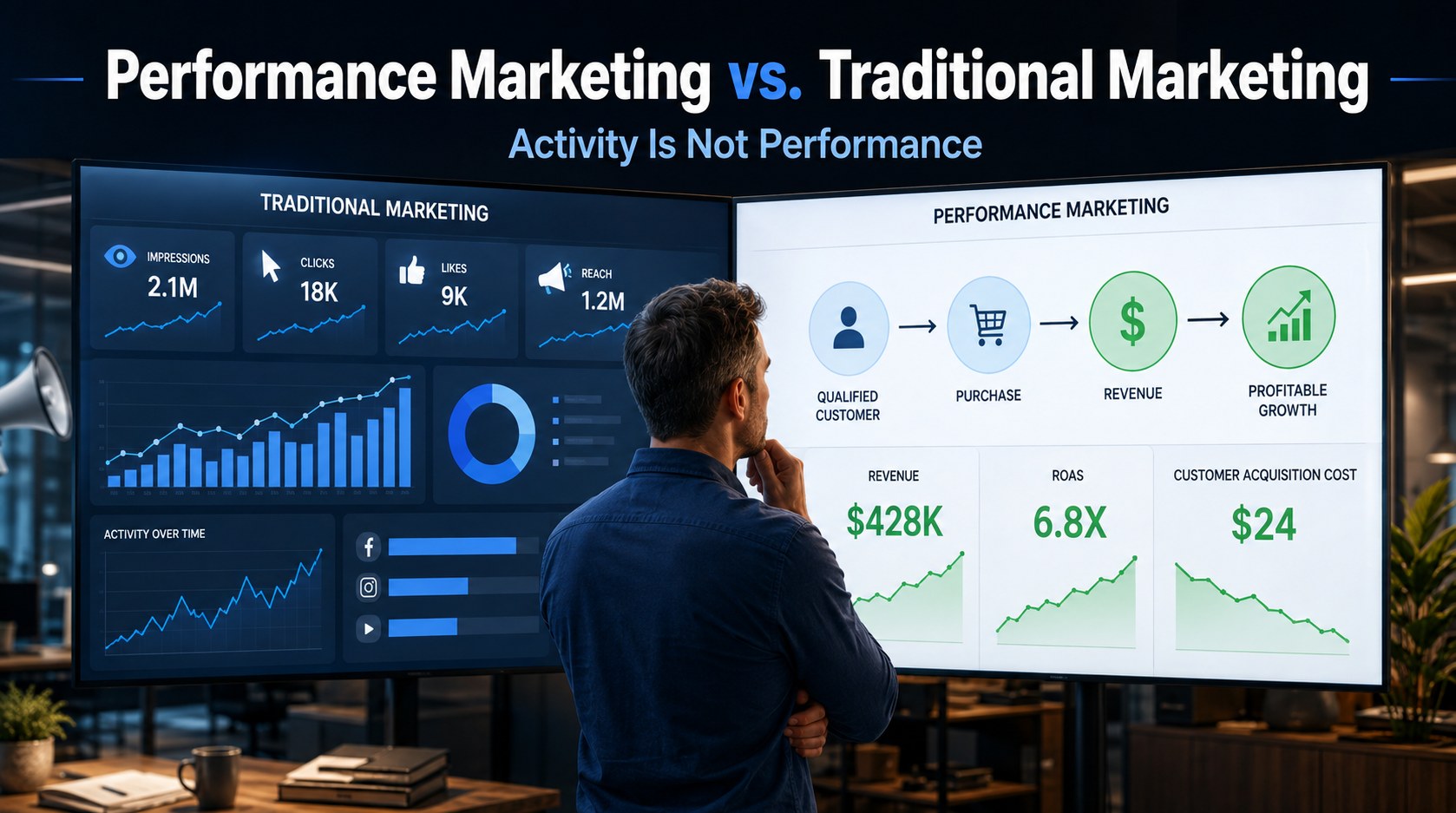
The dashboard shows healthy traffic and reasonable cost-per-lead. Yet the sales team is overwhelmed with tire-kickers, price shoppers, and leads that rarely convert.
In 2026, Performance Max and automated campaigns have made low-quality leads the default outcome for many accounts. The real issue isn’t usually the budget — it’s who Google is actually sending you. Left unmanaged, Google Ads low quality leads will keep piling up no matter how much budget you add.
This happens because of six common reasons:
Performance Max optimizes for cheap conversions instead of revenue
Google’s AI is rewarded for the easiest form fills and clicks — a major driver of Google Ads low quality leads — not qualified buyers who actually close.
Broad targeting and weak audience signals
The platform reaches people who are browsing, not actively buying your service.
Poor or missing conversion tracking
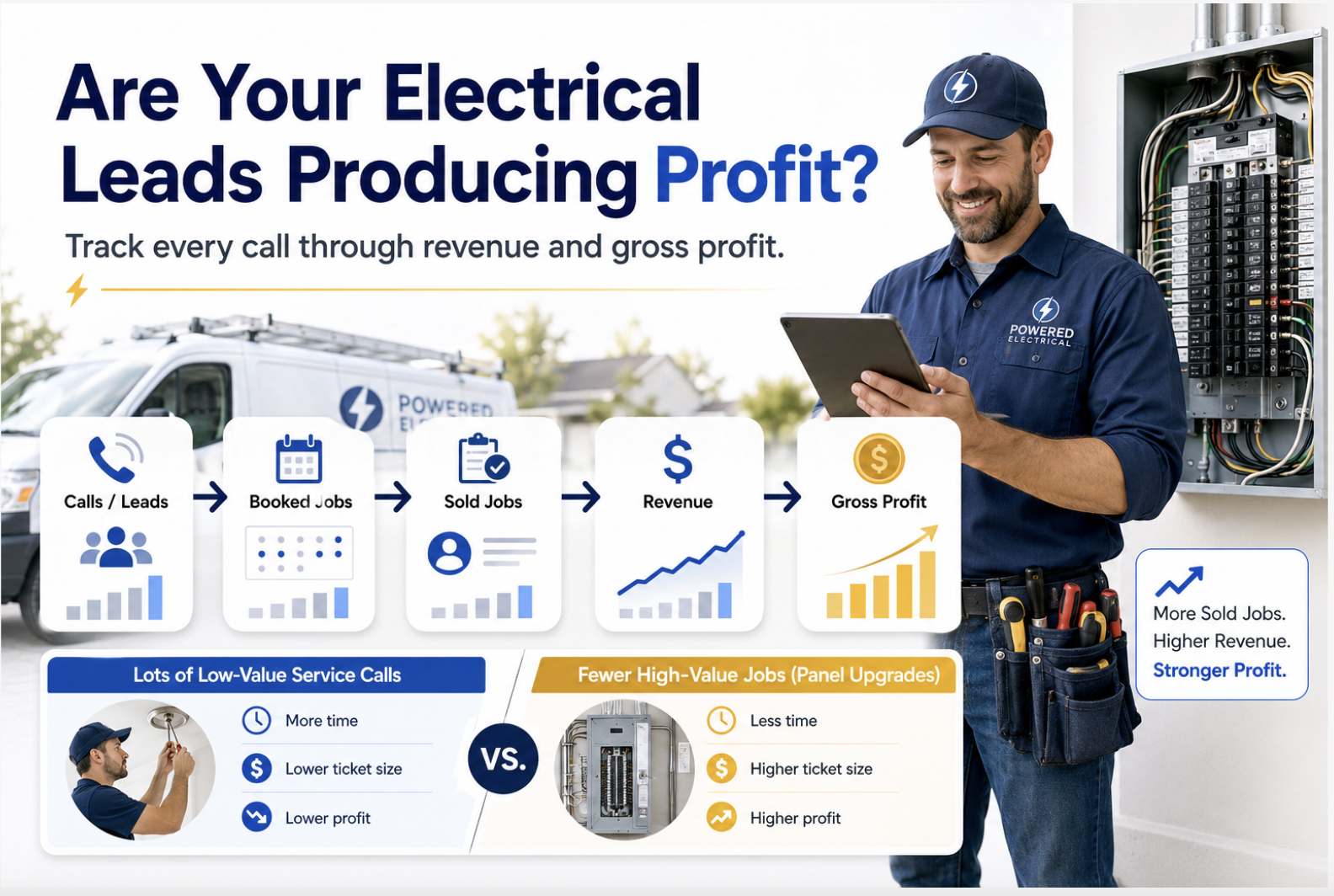
Without call tracking and offline revenue data, Google has no way to know which leads actually become customers.
Search Partners & Display Network junk
One of the biggest hidden sources of spam and irrelevant traffic.
No lead scoring or qualification on landing pages
Every form submission counts as a “win” in Google’s eyes — so the algorithm keeps sending more of the same.
Agencies still optimize for volume instead of real outcomes
Most agencies chase lower CPL instead of higher close rates and actual revenue.
These low-quality leads create real costs: sales team burnout, wasted ad spend that looks good on paper, pipelines full of distractions instead of serious buyers, and lower close rates.
At SmartXperiences, we’ve developed a proven system specifically designed to solve this exact problem. One home services client reduced unqualified leads by nearly 90% in just 90 days while gaining significantly more high-intent conversations and higher close rates — without increasing ad spend.
The solution is a structured system built on four key building blocks:
Conversion-focused landing pages
Pages built to qualify serious buyers, not collect every form fill.
High-intent demand capture
Precise targeting that reaches people actively evaluating your service right now.
Call tracking & attribution
Full visibility into which ads and keywords actually drive revenue.
Revenue-driven optimization
We teach Google what a real customer looks like — not just another form submission.
You can begin fixing Google Ads low quality leads right away with several proven best practices, but the biggest gains come from implementing the complete system correctly.
If you’re getting too many low-quality leads from Google Ads, the fastest way to see exactly where your pipeline is leaking — and what changes will have the biggest impact — is a quick diagnostic.
Stop Paying for Leads That Will Never Buy
In 20 minutes, we’ll show you exactly where your Google Ads pipeline is leaking — and how to fix it.
FAQ
Recent Posts

Ready to See Which Marketing Produces Customers?
Request a complimentary Revenue System Performance Assessment.
We’ll:
- Walk through how you’re currently attracting leads
- Highlight common gaps that impact conversion
- Give you the next step that will improve results fastest
No pitch. No pressure. Just clarity.